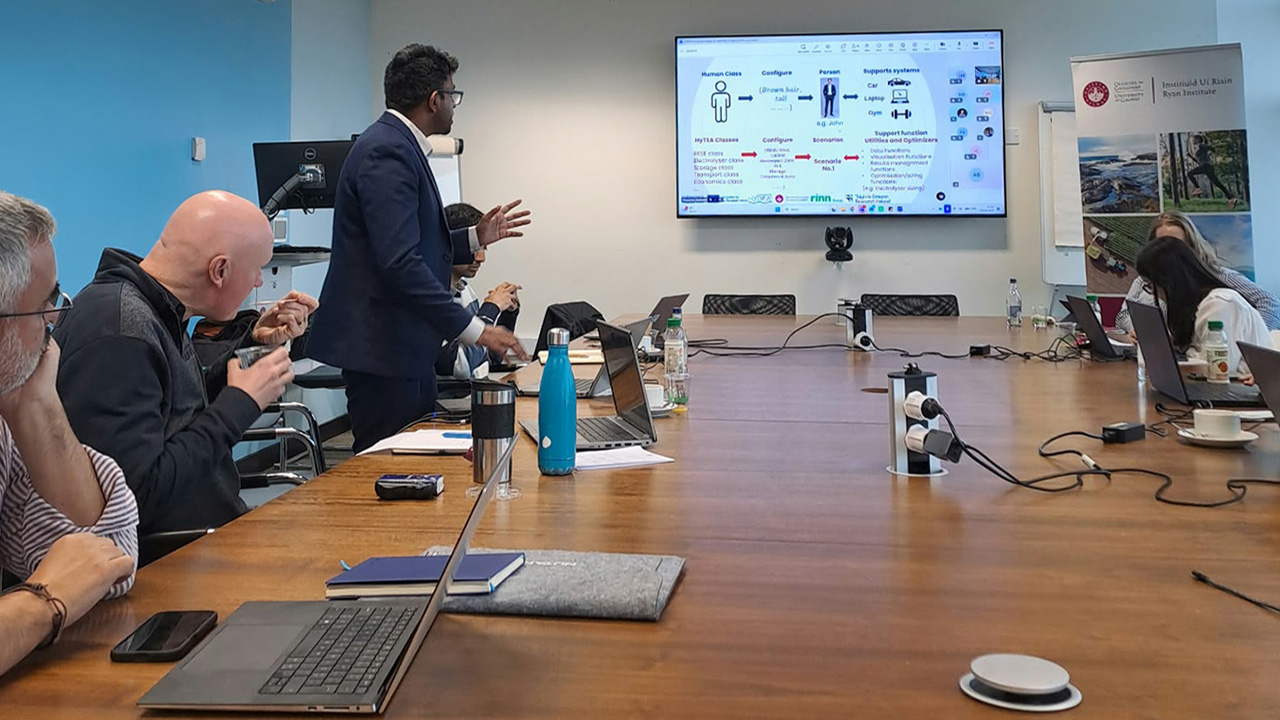

A key outcome of the project is the development of a decision support tool, designed to evaluate hydrogen applications and support strategic decision-making across a range of port scenarios.
The tool will be informed by data and insights gathered from a series of case studies conducted throughout the Atlantic Area. Building on the opportunities previously identified at the beginning of the project, partners have selected HYDEA case studies aligned with their technical expertise and the priorities of participating ports.
- Ireland: The Irish case study focused on the SH2AMROCK Hydrogen Valley initiative at the Port of Galway. The study examines the deployment of a hydrogen refuelling station to support hydrogen-powered mobility applications, including buses and heavy-duty vehicles, as part of the wider regional hydrogen ecosystem.
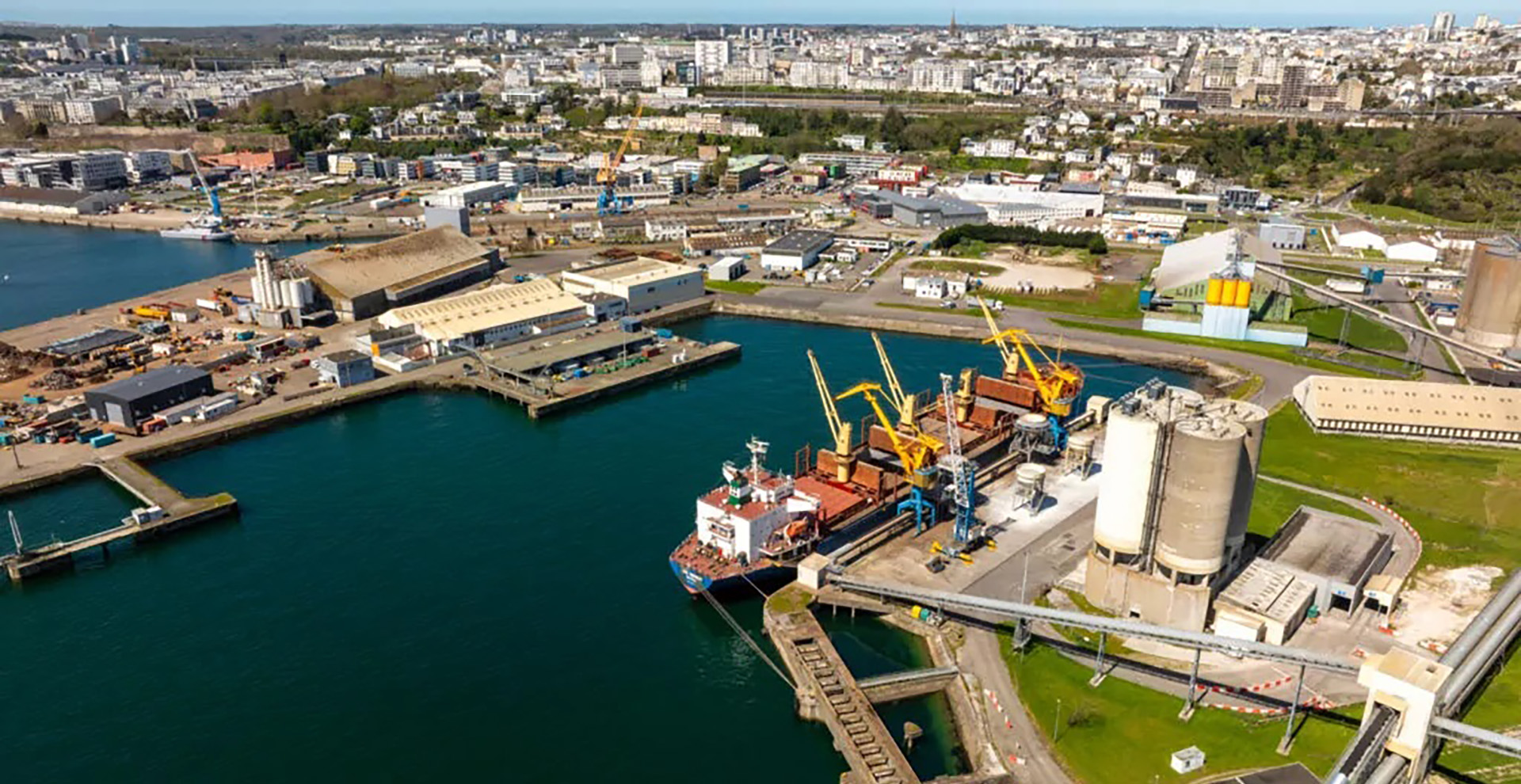
- France: The French case studies assess complementary pathways for deploying hydrogen within the Port of Brest and its surrounding port-city ecosystem. The first case study evaluates green hydrogen production from marine and other renewable energy sources, mainly onshore and floating photovoltaics and future offshore wind resources; to understand how local renewable electricity could cover projected hydrogen demand up to 2050. The second case study examines hydrogen production through modular steam methane/biogas reforming with CO2 capture and local distribution, associated with H2X fuel-cell/battery systems for port power uses.
- Spain: The case studies to be developed in the ports of Spain will be dual combustion H2/diesel for vessels, retrofit of heavy-duty vehicles – dumper, and onshore power supply for vessels.
- Portugal: The Portuguese case studies are related to import/export of hydrogen-based energy vectors (e.g. methanol and ammonia), and supply of alternative green fuels from hydrogen and other energy vectors, namely through carbon capture and methanol sources.
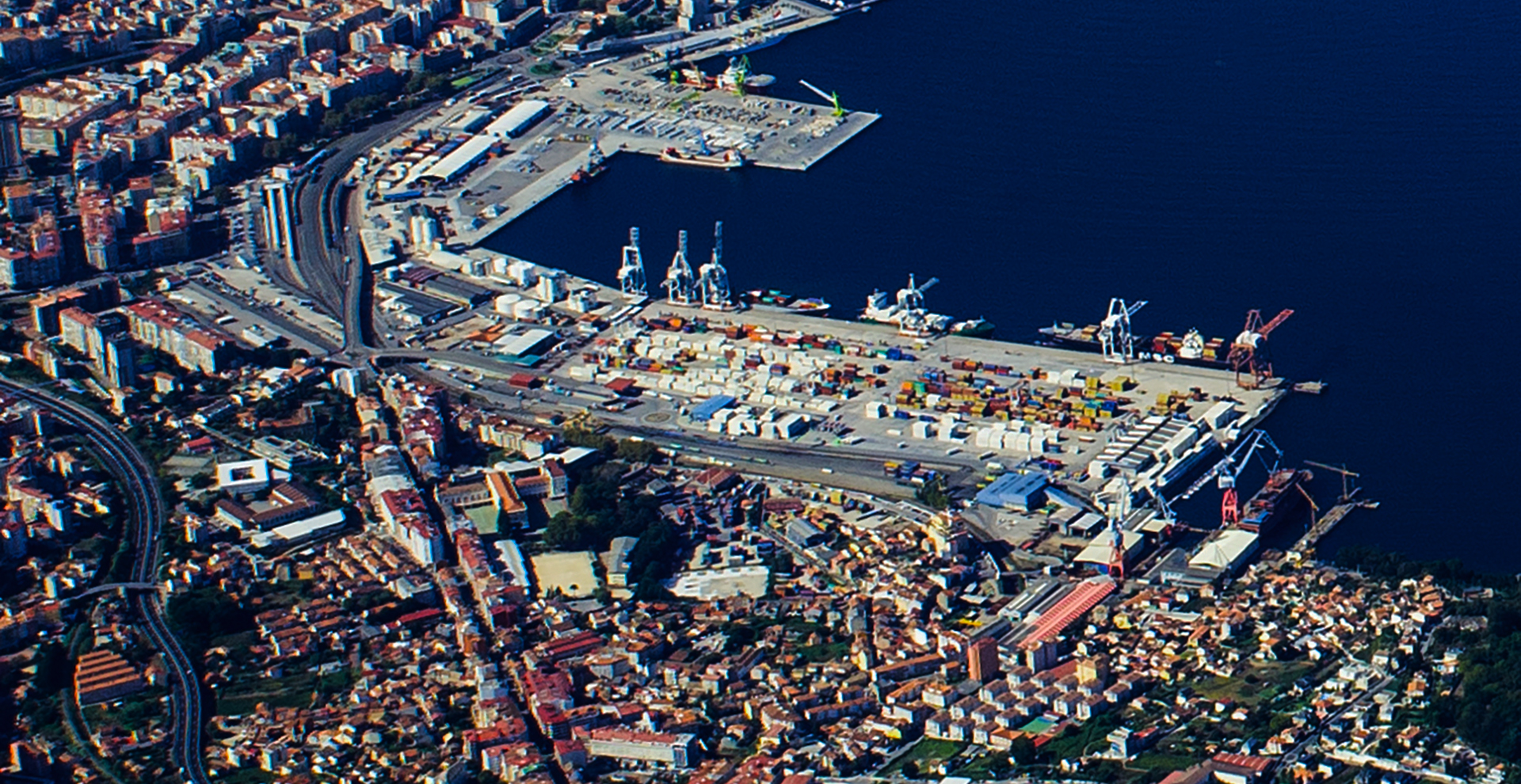
Photo credit: Port of Vigo